
Honoring Black History Month
Many of the strategies, narratives, and cultural shifts that define how brands show up today were built by Black founders and marketers who understood the power of representation long before it became an industry talking point.
This Black History Month, we are spotlighting Black-owned businesses whose work continues to shape the beauty and sportswear industries. These brands are not just selling products. They are building communities, redefining standards, and setting new benchmarks for authenticity and impact.
Black-Owned Beauty Brands Shaping the Industry
Founded by Melissa Butler, The Lip Bar was created to challenge narrow beauty standards and expand who beauty is for. Butler built the brand with inclusivity, confidence, and accessibility at its core, helping pave the way for Black female founders in mass retail. Through bold color, real representation, and community-driven storytelling, The Lip Bar proved that beauty can be expressive, approachable, and culturally relevant at scale.
Founded by Olamide Olowe, Topicals transformed how the skincare industry talks about chronic conditions like eczema and hyperpigmentation. Olowe, one of the youngest Black women to raise over $10 million in venture capital for a beauty brand, built Topicals on honesty, education, and humor. By centering lived experience and mental health alongside formulation, the brand redefined what transparency looks like in modern skincare.
When brands design around those fundamentals, connection follows naturally.Founded by Shontay Lundy, Black Girl Sunscreen was born from a simple but widely overlooked truth: people with melanin need sunscreen too. The brand has worked to dismantle harmful myths around sun care while building trust through education and representation. As the first Black-owned sunscreen brand carried full-time in a major big box retailer, Black Girl Sunscreen reshaped the category by putting community needs first.
Founded by award-winning actress Tracee Ellis Ross, Pattern Beauty celebrates textured hair through ritual, care, and cultural pride. The brand was built to honor the traditions and stories tied to natural hair, with a focus on education and community. Pattern’s approach continues to influence how beauty brands think about identity, belonging, and the importance of designing products rooted in real experience.
Black-Owned Sportswear and Lifestyle Brands Driving Culture
Founded by former NBA player Lanny Smith, Actively Black was created to reclaim ownership, representation, and narrative control within sport. The brand blends performance apparel with cultural storytelling, centering Black excellence, athlete empowerment, and community pride. Actively Black shows how sportswear can move beyond function to become a platform for identity and purpose.
Founded by Olajuwon Ajanaku and Earl Cooper, two Morehouse College alumni and former golf teammates, Eastside Golf is redefining the culture of the game. As a Black-owned, golf-focused sportswear brand, Eastside Golf challenges traditional perceptions of who golf is for while honoring its heritage. Through partnerships with brands like Jordan Golf and Mercedes-Benz, the brand has helped push golf toward a more inclusive and culturally relevant future.
Founded by Tobi Egberongbe, Mifland began as an Atlanta-based leather goods company before evolving into a streetwear and lifestyle brand with athletic-inspired roots. Today, the brand offers tracksuits, nylon sets, and hoodies that reflect the intersection of movement, style, and self-expression. Mifland’s evolution highlights how lifestyle brands can draw from sport while remaining grounded in craftsmanship and culture.
Why This Matters for Marketers Today
Honoring Black history is not about looking back alone. It is about recognizing whose shoulders the industry stands on and letting those lessons guide how brands show up today.
The most impactful marketing still follows the same principles these brands embody:
Deep cultural understanding
Respect for community
Storytelling rooted in truth
Respresentation that is meaningful, not performative
When brands lead with these values, the work resonates because it reflects real life.
Our Agency POV
At Tara Wilson Agency, we believe the strongest brand experiences live at the intersection of culture, community, and creativity.
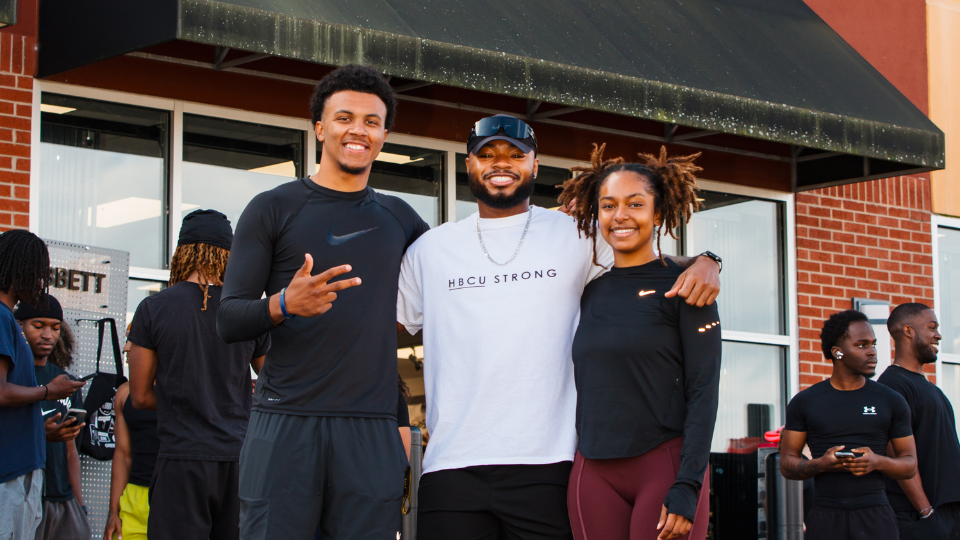
We see this firsthand in our work, from community-driven run clubs to youth sports activations that bring people together through movement. When brands create space for participation, effort, and shared experience, they earn trust in ways traditional marketing cannot.
This month and every month, we celebrate the Black-owned brands and leaders who continue to influence how marketing shows up with purpose, integrity, and impact.
If you are thinking about how your brand can honor culture in meaningful ways, we would love to be part of that conversation.