NYFW, is that you?
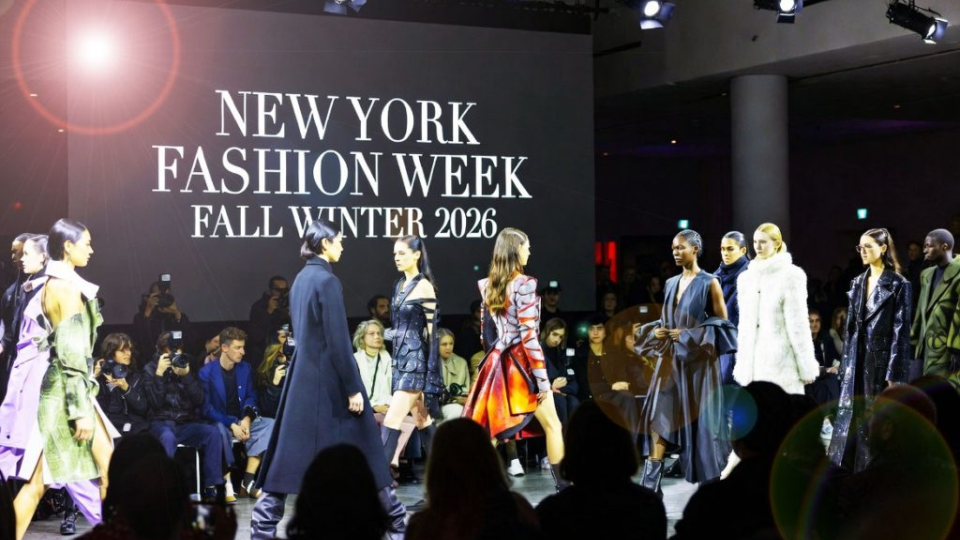
We're going to hold your hand when we say this: September Fashion Week feels far away but it's not. At all.
The venues that matter are being sourced now. The partnerships worth having are being built now. The guest strategies that create the right rooms are being designed now. By the time most brands start planning, the best options are already gone and the best opportunities are already taken.
This is how Fashion Week actually works.
What Brands Consistently Underestimate
Fashion Week is not a party circuit. It is a concentrated window of cultural attention where the brands that planned well look effortless and the ones that did not look like they showed up anyway.
The gaps that hurt brands most are rarely creative. They are logistical and relational.
Venue sourcing takes longer than expected, especially for spaces with the intimacy and character that fashion audiences now expect. Partnership development can't be rushed without it showing, and don't even get us started on Guest Strategy. The question of who is in the room and why is what separates a moment from a core memory.
And last, but certainly not least, Editorial Integration is often the piece brands leave to the last minute. Our recommendation: don't. A great activation with no consumer-facing content strategy is like a tree falling in the forest. If you didn't see it, did it happen?
What the Strongest Activations Have in Common
The Fashion Week moments that travel, that generate the content, the coverage, and the conversation, are built around four things: intimacy, exclusivity, cultural relevance, and a moment ready for sharing.
None of those things happen by accident. Intimacy requires deliberate guest curation, exclusivity requires restraint, cultural relevance requires knowing the landscape well enough to find the white space, and shareability requires designing for the content before the event, not after.
Fashion audiences have also shifted what they expect. A presentation followed by a cocktail party is no longer enough. The most talked-about activations this season have been hybrid cultural spaces, hospitality-first moments, and community-driven experiences that give guests something to feel (and share), not just attend.
Where TWA Comes In
We build Fashion Week experiences from the strategy up.
That means creative direction and guest experience design before a single invitation goes out. It means hospitality environments that feel considered from arrival to departure. It means cross-cultural programming that connects the brand to the right communities in the right city. And it means end-to-end execution so that the team running the event is not the same team trying to be present in it.
September is closer than you think. If you are building toward a Fashion Week moment this fall, now is the time to start.