
The World Cup is Coming Soon
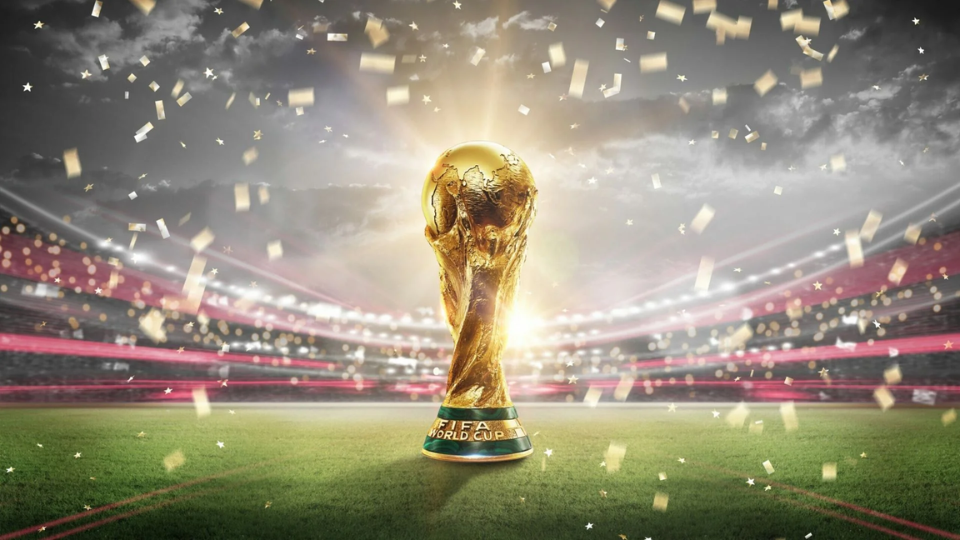
On June 11th, the FIFA World Cup kicks off in North America for the first time in 32 years. And for us, this one is personal. Dallas and Houston are two of the eleven U.S. host cities, meaning the world's biggest cultural moment in sport is happening in our own backyard. Over 39 days, 48 teams will play 104 matches across 16 cities in the United States, Mexico, and Canada. More than 6.5 million fans will attend in person. Billions more will watch globally. The economic impact is projected to surpass $41 billion.
Those numbers are staggering. They are also, for most brands, the wrong place to start.
The World Cup is not a media buy. It is not a logo placement opportunity. It is not a two-month window to ride a cultural wave and disappear. It is a once-in-a-generation moment to show whether your brand actually belongs in the spaces where soccer (or Fútbol) culture lives.
The brands that understand that distinction are already planning how they'll show up. The ones that do not will spend the summer wondering why their campaign did not land.
The Stadium Is Not the Activation
Here is what most brands get wrong about the World Cup: they think about the stadium.
The reality is that the most culturally significant moments of any World Cup happen nowhere near the pitch. They happen in the neighborhoods surrounding host cities, in the watch parties that fill restaurants and community centers, in the fan zones where families and strangers become temporary tribes, and in the content that travels far beyond any single city.
With 16 host cities across three countries, the 2026 World Cup is not a single event. It is a rolling series of cultural activations spanning nearly six weeks. Each city has its own demographic composition, its own soccer loyalties, and its own set of communities that brands need to understand before they show up. A campaign that works in Miami will not automatically land in Houston. A message built for Los Angeles needs to be localized before it reaches Kansas City.
For brands doing this right, game days are a secondary thought. The primary planning is all around the 39-day cultural moment surrounding the tournament, and designing their presence to be impactful in the everyday moments.
What Soccer Culture Actually Requires
Soccer fandom is more communal, more multigenerational, and more deeply tied to personal and cultural identity than almost any other sport. Fans can tell the difference between a brand that participated and a brand that showed up. Showing up means choosing a lane before the tournament starts, committing to it city by city, and recognizing that content is the activation.
With 16 host cities across three countries, 2026 is not a single event. It is a 39-day cultural season playing out across distinct fan communities, each shaped by different immigration histories, different soccer loyalties, and different relationships to the sport. A campaign that works in Miami will not automatically land in Houston. And with 59% of World Cup content produced by independent creators rather than official broadcasters, the brands that invest in authentic local storytelling will outperform the ones buying perimeter board space and calling it a strategy.
The brands that get this right will earn something a national media buy cannot deliver: the feeling that they belong here, in this city, with this community. That is not a small thing in soccer culture. Belonging is the whole point.
Our Agency POV
The World Cup is the largest cultural moment in sport. It is also one of the most misunderstood marketing opportunities of the decade, because the brands that approach it as a sponsorship window will miss what it actually is.
This tournament is about infrastructure. It is a once-in-a-generation chance to build credibility with a fan base that is younger, more diverse, and more loyal to brands that respect the culture than any audience American sports marketing has ever seen at this scale.
If you're still planning or if you need some experiential help on the ground, let us help you build something World Cup worthy.